

30. Januar 2026
From shiny pilots to lasting civic infrastructure for efficient & effective
#𝗖𝗶𝘁𝗶𝘇𝗲𝗻𝗣𝗮𝗿𝘁𝗶𝘇𝗶𝗽𝗮𝘁𝗶𝗼𝗻 🛠️🧠
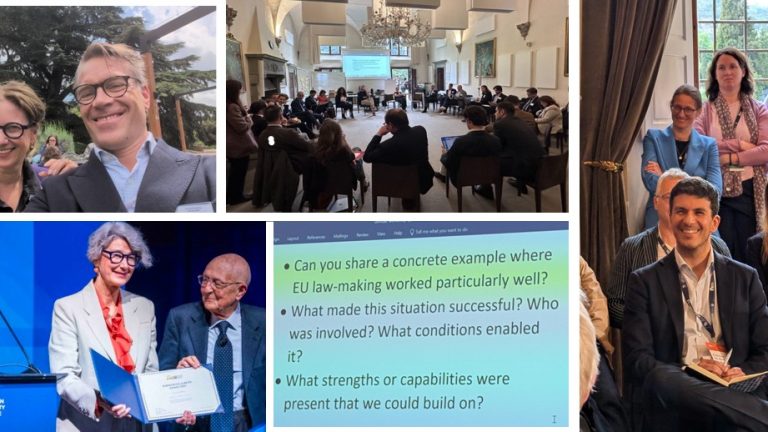
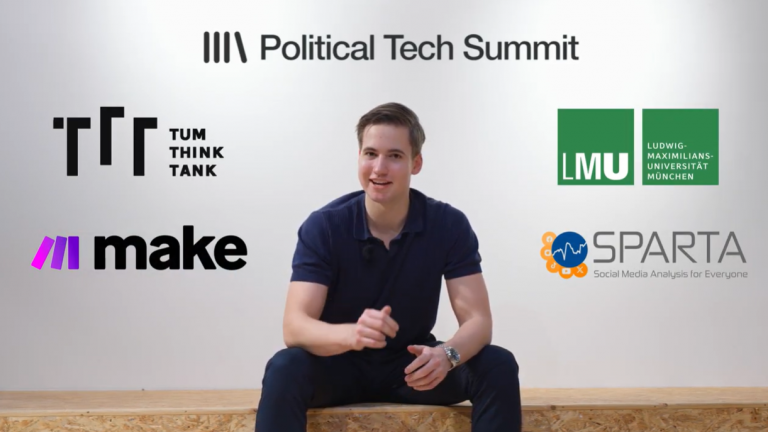
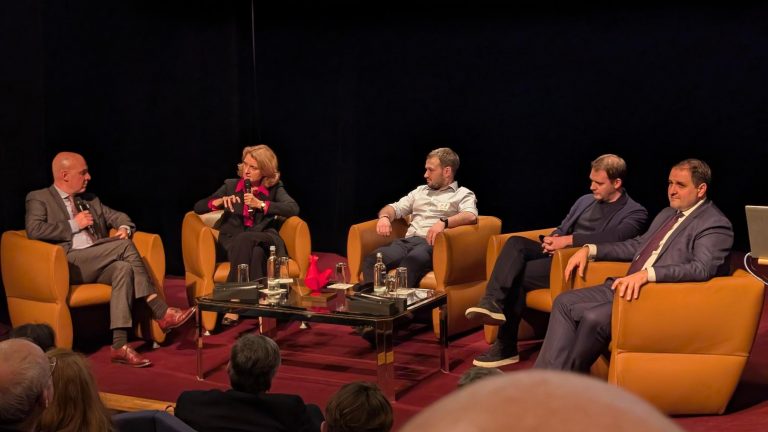
Great conversations at the #PoliticalTechSummit (23., 24.1.26 in Berlin) & a big thank you to an outstanding panel I had the honor to moderate:

🙏 Louise Cato, Matt Stempeck, Lukas Salecker for their deep insights into what actually works in civic tech — and where even the best intentions can quietly fail. What stood out most for me 👇
🔹 We need different, long-term funding models — not project-to-project survival mode
🔹 We must design our work modularly, so complementary competencies can truly build on each other
🔹 Interoperability matters — technically and institutionally
🔹 We should enable the shared use of data from completed processes, instead of endlessly reinventing wheels
🔹 Open-source technology isn’t a nice-to-have — it’s foundational
🔹 And yes: it may be time to seriously explore a shared, open-source civic tech LLM 🌍🤖
⚠️ Pitfalls:
Fragmented pilots, short-term funding cycles, lack of interoperability, institutional risk aversion, data silos, and “innovation theater” that looks modern but never survives first contact with bureaucracy.
The summary of #deliberAIed below or contact Lukas for the long version.

❤️ Special gratitude to the volunteers — civic tech runs on invisible labor far more often than we admit. And on a very personal note: I’m incredibly proud that my daughter Mathild Meier was part of the team and helped make this happen.
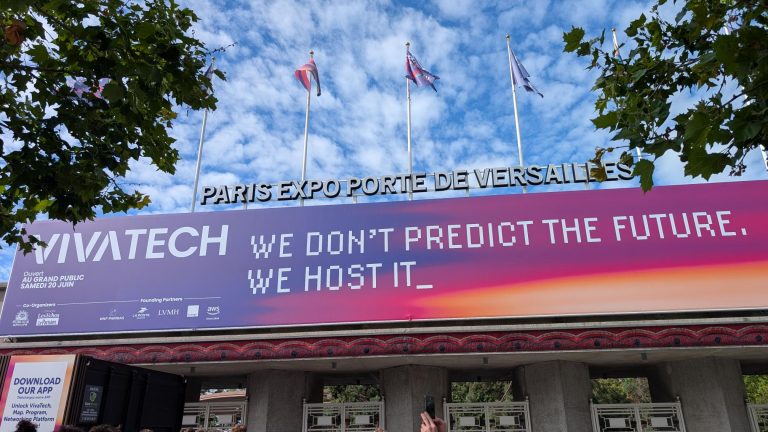
The Political Tech Summit has shown me that #Europe can still lead the world as an example of Hashtag#DemocraticSuccess for the next decades. But for that to happen, our #Politics and #Technology need to go hand in hand.
🎙The Summit, despite just coming back for its second edition, has brought an impressive quality of speakers and attendants together to foster essential discussions around how to use Technology towards Political Progress and greater strength for the EU.
💡Amongst the highlights of these days, Thomas Jarzombek ’s intervention on the integration of AI in German governmental institutions. It was inspiring to finally see EU policy-makers breaking through the fear of Progress and embracing new technologies in their Politics.
🙌 Congratulations to Josef Lentsch, Benjamin Laepple & @Lukas Braml and the whole Hashtag#Partisan team on such a success! Huge thanks for curating the space, the framing, and the intellectual generosity that made this exchange possible.


📍 Looking ahead:
During the Munich Security Conference #MSC, we’ll host a dedicated panel for the Partisan / Political Tech Summit community at 👉 www.salon-luitpold.de. More details coming soon — stay tuned.
#PoliticalTech #partisan #CivicTech #DemocracyInnovation #OpenSource
#Interoperability #GovTech #PublicInfrastructure #eKairos
#CollectiveIntelligence #MSC #SalonLuitpold #Volunteers
08. Januar 2026
Pax Silica: Forging a Digital Alliance for Economic Security; The need for a New Era of Tech Cooperation
AI-driven transformation and geopolitical fragmentation, global leaders have signed the Pax Silica Declaration—a bold commitment to secure supply chains, trustworthy AI, and shared economic prosperity. Unveiled on linkedin, this pact recognizes that artificial intelligence, semiconductors, and critical minerals are the new battlegrounds of global power—and that collaboration is key to outpacing rivals and safeguarding democracy.
But can it deliver? While the declaration promises resilient supply chains, fair trade, and AI innovation, its success hinges on three critical challenges:
- Turning words into action—will nations invest enough in semiconductor fabs, mineral refining, and AI infrastructure?
- Balancing cooperation and competition—can the US, EU, and allies align on tech standards without undermining each other?
- Ensuring inclusivity—will this pact deepen global divides by excluding the Global South?
The time to act is now. Pax Silica isn’t just a declaration, as a launched the EUROPEAN DECLARATION OF IN(TER)DEPENDANCE recently (see above) —it’s a call to rethink how we build, share, and secure the technologies of tomorrow. Will it unite the digital world—or leave critical players behind?
Join the debate: Should nations prioritize tech alliances over solo strategies? Share your thoughts!
#PaxSilica and #TechDiplomacy #PaxSilica #TechDiplomacy #AISupplyChains #SemiconductorAlliance #DigitalSovereignty #CriticalMinerals #FutureOfAI #EconomicSecurity #TechColdWar #SupplyChainResilience #TrustworthyAI #GlobalTechPact
05. Januar 2026
Warum Demokratie Streit braucht
Agonale Demokratie, kritisches Denken, Empathie – und die Rolle von KI

Demokratie wird oft als Suche nach Konsens missverstanden. Als Zustand, den man erreicht, wenn Meinungsverschiedenheiten überwunden sind. Doch diese Vorstellung verkennt ihr eigentliches Wesen. In pluralistischen Gesellschaften ist Konflikt kein Betriebsfehler, sondern Normalzustand. Die Frage ist nicht, ob wir streiten, sondern wie.
Hier setzt das Konzept der agonalen Demokratie an – und gewinnt in einer digitalen Öffentlichkeit neue Aktualität.
„Streit ist der Motor der Demokratie. eKairos strukturiert Konflikte, ohne sie zu unterdrücken. Mit KI als Moderatorin für faire Diskussionen – ohne Konsenszwang, aber mit Respekt.“
Agonale Demokratie: Streit ohne Feindbild
Der Begriff agonal geht auf das griechische agōn zurück – den Wettstreit. In der politischen Theorie, prominent bei Chantal Mouffe, beschreibt er eine Form des Konflikts, in der Gegner*innen nicht zu Feinden erklärt werden. Der Konflikt bleibt bestehen, wird aber institutionell, kulturell und kommunikativ gezähmt.
Agonale Demokratie bedeutet:
- Differenzen werden nicht aufgelöst, sondern anerkannt.
- Streit wird nicht moralisiert, sondern strukturiert.
- Legitimer Widerspruch ersetzt Freund–Feind-Logiken.
Diese Perspektive ist besonders relevant in einer Zeit, in der digitale Plattformen Konflikte oft zuspitzen statt ordnen.
Hannah Arendt: Politik als Raum des Erscheinens
Hannah Arendt verstand Politik nicht als Verwaltung von Interessen, sondern als gemeinsames Erscheinen im öffentlichen Raum. Freiheit entsteht für sie dort, wo Menschen ihre Verschiedenheit zeigen, sprechen und handeln – vor anderen. Konflikt ist bei Arendt kein Makel, sondern Ausdruck von Pluralität. Gefährlich wird es erst, wenn dieser Raum des Erscheinens zerstört wird: durch Ideologie, Entmenschlichung oder Schweigen.
Agonale Demokratie knüpft genau hier an. Sie verteidigt den öffentlichen Raum als Ort, an dem Unterschiede sichtbar bleiben dürfen, ohne in Gewalt umzuschlagen.
John Dewey: Demokratie als Lernprozess
John Dewey dachte Demokratie weniger institutionell als pädagogisch. Für ihn war Demokratie eine Lebensform – etwas, das gelernt, eingeübt und immer wieder korrigiert werden muss. Öffentliche Diskussionen sind bei Dewey keine bloßen Meinungsäußerungen, sondern kollektive Lernprozesse. Erkenntnis entsteht durch Erfahrung, Irrtum, Korrektur – und durch den Austausch mit anderen.
Agonaler Streit ist in diesem Sinne kein Hindernis, sondern der Motor demokratischen Lernens.
Kritisches Denken braucht Widerspruch
Kritisches Denken entwickelt sich nicht im Echo der eigenen Überzeugungen. Es entsteht dort, wo Positionen aufeinandertreffen, sich reiben und infrage stellen.
Agonale Settings fördern genau diese Form der Reflexion:
- Argumente müssen begründet werden.
- Annahmen werden sichtbar.
- Ambivalenzen dürfen bestehen bleiben.
Kritisches Denken wird so zu einer sozialen Praxis, nicht zu einer individuellen Tugend.
Empathie ohne Konsens
Empathie wird oft mit Zustimmung verwechselt. In einer agonalen Demokratie bedeutet Empathie jedoch etwas anderes:
die Fähigkeit, die innere Logik einer fremden Position zu verstehen, ohne sie zu übernehmen.
Diese Form von Empathie ist anspruchsvoll. Sie verlangt Distanz, Selbstkontrolle und die Bereitschaft, Differenz auszuhalten. Gerade deshalb ist sie zentral für demokratischen Streit.
Soziale Intelligenz als demokratische Kompetenz
Demokratie funktioniert nur, wenn Menschen gelernt haben,
- Konflikte auszutragen, ohne zu eskalieren,
- Kritik zu üben, ohne zu entwürdigen,
- Gegensätze zu benennen, ohne sie zu verhärten.
Diese Fähigkeiten sind keine Selbstverständlichkeit. Sie entstehen durch Übung, aktives Zuhören, Moderation und kulturelle Rahmen.
ekairos: Agonale Demokratie mit KI-Unterstützung
Hier setzt ekairos an. Das Projekt versteht Demokratie bewusst als agonalen Prozess – und nutzt KI nicht (nur) zur Meinungssteuerung, sondern vor allem zur Strukturierung von Streit.
Ein zentraler Baustein ist die KI-gestützte Audio-Moderation:
- Gespräche werden in Echtzeit oder nachgelagert strukturiert.
- Argumentlinien, Spannungen und Perspektiven werden hörbar gemacht.
- Dominanz, Abschweifung und Eskalation können moderierend abgefedert werden.
Die KI agiert dabei nicht als Schiedsrichter und nicht als moralische Instanz, sondern als Assistenz für Verständlichkeit, Fairness und Reflexion.
So entsteht ein Raum, der Arendts Idee des öffentlichen Erscheinens mit Deweys Verständnis von Lernen verbindet – angepasst an eine fragmentierte, digitale Öffentlichkeit.
Demokratie neu denken
Demokratie ist mehr als Wahlen und Institutionen. Sie ist eine kulturelle Praxis, die im Gespräch beginnt.
Agonale Demokratie erinnert uns daran, dass Streit nicht das Ende von Gemeinschaft bedeutet, sondern oft ihr Anfang ist.
Kritisches Denken, Empathie und soziale Intelligenz sind dabei keine Gegensätze, sondern Voraussetzungen füreinander.
Und KI kann – richtig gestaltet – helfen, diese Fähigkeiten zu stärken, statt sie zu untergraben. So kann ein wichtiger Beitrag geleistet werden, hin zu einem neuen Betriebssystem für unsere Demokratie.
#StreitKultur – Für eine neue Kultur des konstruktiven Streits, #AgonaleDemokratie – Konflikt als Chance, nicht als Problem, #KIfürDemokratie – Technologie, die Diskussionen fairer macht, #ZuhörenLernen – Empathie ohne Konsens, #ekairos – KI-gestützte Moderation für agonale Räume, #DemokratieNeuDenken – Jenseits von Konsens und Schweigen, #ÖffentlicherRaum – Wo Freiheit sichtbar wird, #HannahArendt – „Freiheit entsteht im Erscheinen, #JohnDewey – Demokratie als Lernprozess, #ChantalMouffe – Agonaler Streit statt Feindschaft.
23. Dezember 2025
Kann KI die Demokratie heilen?
5 Erkenntnisse, die Hoffnung machen

Aus der Blog-Reihe: Algorithmen, Vertrauen und die Zukunft der Demokratie
Online-Polarisierung, Echokammern und eine zunehmend toxische öffentliche Debatte – diese Probleme sind uns allen nur zu gut bekannt. Algorithmen, die auf Engagement optimiert sind, verstärken oft die lautesten und extremsten Stimmen, was zu einer Zersplitterung des digitalen öffentlichen Raums führt. Doch was wäre, wenn dieselbe KI-Technologie, die oft für die Verschärfung dieser Spaltungen verantwortlich gemacht wird, der Schlüssel zur Heilung unserer digitalen öffentlichen Plätze sein könnte? Diese Frage mag kontraintuitiv klingen, aber sie steht im Zentrum einer wachsenden Zahl von Forschungsprojekten und Experimenten weltweit. Dieser Artikel stellt fünf überraschende und wirkungsvolle Erkenntnisse aus der aktuellen Forschung vor, die unsere Vorstellung davon, wie Künstliche Intelligenz und Demokratie zusammenspielen, auf den Kopf stellen.
KI als Brückenbauer, nicht als Megaphon
Die gängige Annahme ist, dass KI-Systeme als Megaphone für die eigene Meinung dienen. Ein überraschender Gegenentwurf sind sogenannte „Bridging Systems“, die darauf ausgelegt sind, Vertrauen und Gemeinsamkeiten zwischen verschiedenen Gruppen zu fördern. Ein herausragendes Beispiel dafür sind die Community Notes auf der Plattform X. Anstatt sich auf eine einfache Mehrheitsabstimmung zu verlassen, um zu entscheiden, welche Anmerkung zu einem potenziell irreführenden Beitrag angezeigt wird, verwendet der Algorithmus einen Brückenbau-Ansatz. Er identifiziert zunächst die Hauptachse der Meinungsverschiedenheit zwischen den Nutzern – basierend auf deren bisherigem Bewertungsverhalten – ohne dabei eine vordefinierte Links-Rechts-Skala anzulegen. Anschließend wählt er gezielt jene Notizen aus, die von Nutzern mit historisch unterschiedlichen Ansichten als hilfreich bewertet werden. Nur Anmerkungen, die auf der Achse der „Hilfsbereitschaft“ hoch und auf der emergenten Achse der „politischen Orientierung“ niedrig punkten, werden angezeigt. So wird sichergestellt, dass Fakten im Vordergrund stehen, die über politische Lager hinweg als nützlich erachtet werden.
Ein weiteres wirkungsvolles Beispiel ist Taiwans vTaiwan-Plattform, die das KI-gestützte Tool Pol.is nutzte, um digitale Bürgerbeteiligung in großem Stil zu ermöglichen. Anstatt die Zehntausenden von eingereichten Bürgermeinungen nur zu zählen, analysierte die KI die Daten, um Meinungscluster zu identifizieren. Das Ergebnis war eine visuelle „Meinungslandschaft“, die auf einen Blick zeigte, wo Konsens herrschte und wo die Konfliktlinien verliefen. Dieser Ansatz verschiebt den Fokus von der Verstärkung von Meinungsverschiedenheiten hin zur Aufdeckung verborgener Gemeinsamkeiten und ermöglicht so weitaus produktivere öffentliche Gespräche. Doch KI kann mehr als nur verborgene Gemeinsamkeiten aufzeigen; sie kann auch aktiv dabei helfen, die tiefsten Gräben zu überwinden – selbst solche, die durch Verschwörungsglauben entstanden sind.
Das Unmögliche möglich machen – KI-Dialoge können Verschwörungsglauben reduzieren
Dies ist vielleicht die kontraintuitivste Erkenntnis aus einer aktuellen Studie von Costello et al. Forscher ließen 2.190 Teilnehmer, die an Verschwörungstheorien glaubten, personalisierte Dialoge mit einer KI (GPT-4 Turbo) führen. Die Ergebnisse waren verblüffend: Die Intervention reduzierte den Glauben an die jeweilige Verschwörungstheorie um etwa 20 %. Dieser Effekt war nicht nur kurzfristig, sondern hielt auch zwei Monate später noch an.
Der überraschendste Aspekt war, dass der Effekt selbst bei Teilnehmern mit tief verwurzelten Überzeugungen auftrat. Sogar Personen, die ihre Überzeugung als „extrem wichtig“ für ihre Weltanschauung bezeichneten, zeigten eine signifikante Reduktion ihres Glaubens. Eine NLP-Analyse der KI-Gespräche enthüllte den Schlüssel zum Erfolg: Die KI setzte überwiegend auf vernunftbasierte Strategien. Sie bot „alternative Erklärungen“ an und regte zu „kritischem Denken“ an, anstatt auf psychologische oder beziehungsaufbauende Taktiken zu setzen. Dies widerspricht der gängigen Meinung, dass solche Überzeugungen gegenüber Fakten und logischen Argumenten immun sind, und beweist eindrücklich, dass die richtige Art der evidenzbasierten Kommunikation einen Unterschied machen kann. Wenn ein KI-Dialog im digitalen Raum so wirkungsvoll sein kann, stellt sich die Frage: Wie können wir diese Art von konstruktivem Austausch in die physische Welt bringen und in unseren Alltag integrieren?
Die nächste politische Debatte? Findet an Ihrer „Kaffeemaschine“ bzw. mit einer App statt
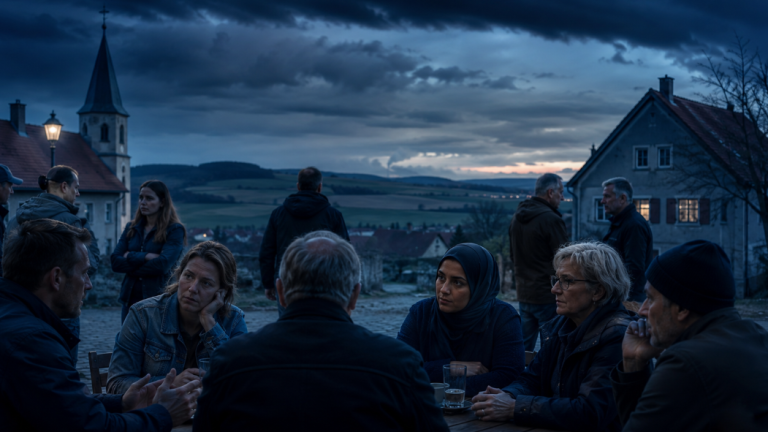
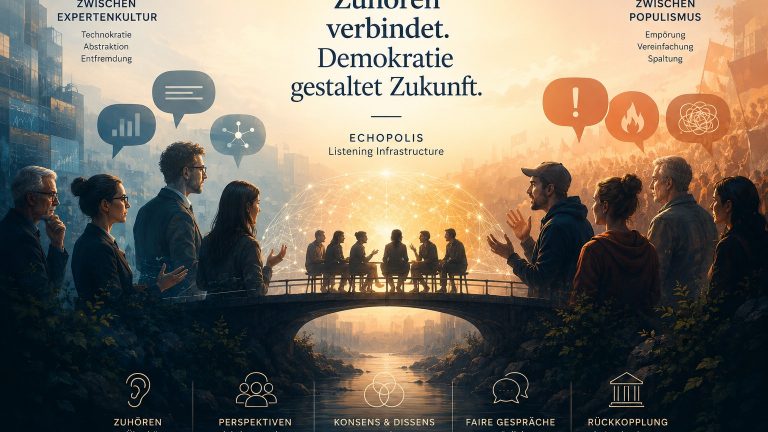
Stellen Sie sich ein Gerät vor, das aussieht wie eine moderne Kaffeekanne. Es heißt „EchoPolis“ oder „KlarSprech“, enthält versteckt ein Handy mit einer App die sprachgesteuert wird und steht in einem Café, in öffentlichen Verkehrsmitteln oder im Wartezimmer Ihres Arztes. Dieses Gerät lädt bis zu fünf zufällig anwesende Personen ein, an einer kurzen, von KI moderierten Diskussion zu einem aktuellen Thema teilzunehmen.
Der Prozess ist einfach: Die Teilnehmer wählen ein Thema, stellen sich kurz vor und beginnen das Gespräch. Eine KI übernimmt die Moderation mit gesprochener Sprache. Sie achtet darauf, dass die Gesprächszeit gerecht verteilt wird, aktiviert stille Teilnehmer, prüft geäußerte Fakten anhand kuratierter Quellen und stellt am Ende eine konsensorientierte Zusammenfassung zur Abstimmung. Dieser Ansatz ist überraschend, weil er die demokratische Debatte aus anonymen Online-Foren und formellen Sitzungssälen herausholt und in unseren Alltag integriert. Er macht die Idee der „Deliberation im Wilden“ – des ungesteuerten, aber produktiven Austauschs, wie ihn der Philosoph Jürgen Habermas beschrieb – greifbar. Während Projekte wie EchoPolis den Diskurs auf der Mikroebene heilen wollen, tobt auf der Makroebene ein ganz anderer Kampf – einer, der nicht mit Fakten, sondern mit fundamentalen Emotionen geführt wird.
Populisten verkaufen Liebe, Demokraten verkaufen Fakten – ein fataler Fehler
Der Politikberater Johannes Hillje beschreibt die Tendenz in der etablierten deutschen Politik, auf eine nüchterne, faktenbasierte Kommunikation zu setzen – ein „Pathos der Nüchternheit“ –, während Emotionen oft als unprofessionell gelten. Dies steht im krassen Gegensatz zur Strategie populistischer Führer, deren Bewegungen oft auf starken, positiven Emotionen aufgebaut sind, die eine tiefe Bindung schaffen. Eine Analyse der Kommunikation von Donald Trump zeigt dies deutlich:
Für Donald Trump und seine Anhängerschaft ist MAGA (Make America Great Again) »eine Bewegung, gebaut auf Liebe«.
Diese emotionale Bindung schafft eine moderne Form der Parteibindung, die weniger auf politischen Programmen als vielmehr auf emotionalen Zuständen und einer geteilten Identität beruht. Die Anhänger fühlen sich nicht nur vertreten, sondern auch verstanden und als Teil einer besonderen Gemeinschaft. Diese Erkenntnis ist wichtig, weil sie eine grundlegende Lücke in der demokratischen Kommunikation aufzeigt. Sie legt nahe, dass demokratische Akteure ebenfalls Wege finden müssen, um auf einer emotionalen Ebene eine Verbindung zu den Bürgern herzustellen, anstatt das Feld der Gefühle vollständig den Populisten zu überlassen. Während Populisten die emotionale Bindung auf der Ebene der Identität skalieren, ringen demokratische Akteure mit einer ganz anderen Art von Skalierung: der Reichweite und Wirkung ihrer Beteiligungsprozesse.
Demokratie „skalieren“ bedeutet mehr als nur „mehr Menschen“
Die Idee, demokratische Beteiligung zu „skalieren“, wird oft fälschlicherweise darauf reduziert, einfach nur die Teilnehmerzahl zu erhöhen. Ein Strategiepapier der Organisation DemocracyNext stellt einen differenzierteren Rahmen vor, der fünf Dimensionen der Skalierung unterscheidet. Die gängigste Dimension ist Scaling out, also die Erhöhung der Anzahl der Teilnehmer. Doch mindestens ebenso wichtig sind die anderen vier:
- Scaling up: Die Ausweitung von Beteiligungsprozessen auf höhere Regierungsebenen, von der lokalen bis zur nationalen Ebene.
- Scaling across: Die Erhöhung der Anzahl verschiedener Beteiligungsprozesse zu unterschiedlichen Themen.
- Scaling deep: Die Erhöhung der Wirkung und des tatsächlichen Einflusses der Ergebnisse auf politische Entscheidungen.
- Scaling in: Die Verbesserung der Qualität der Deliberation selbst, also wie gut und konstruktiv die Diskussionen innerhalb eines Prozesses sind.
Dieser konzeptionelle Rahmen ist eine wichtige Warnung vor einem rein technologischen „Fix“. Einfach nur Millionen von Menschen in ein Online-Forum zu bringen, garantiert keine bessere Demokratie. Stattdessen müssen wir uns auf die Qualität der Debatte, die tatsächliche Wirkung der Ergebnisse und den Aufbau der notwendigen „bürgerlichen Infrastruktur“ konzentrieren, um sicherzustellen, dass diese Prozesse wirklich bedeutungsvoll sind.
Fazit: Die menschliche Variable in der demokratischen KI
Die hier vorgestellten Erkenntnisse zeichnen ein komplexes, aber auch hoffnungsvolles Bild. Künstliche Intelligenz ist kein Allheilmittel, aber sie ist ein mächtiges Werkzeug mit dem Potenzial, den öffentlichen Diskurs zu reparieren und die Demokratie zu stärken. Der Erfolg hängt jedoch entscheidend von bewusstem Design, menschlicher Aufsicht und der klugen Integration in eine robuste demokratische Kultur ab. Ansätze wie „Bridging Systems“ zur Konsensfindung oder KI-gestützte Dialoge zur Entkräftung von Falschinformationen sind konkrete Beispiele für dieses notwendige bewusste Design. Der Rahmen der fünf Skalierungsdimensionen wiederum liefert die strategische Linse, um diese Werkzeuge wirksam einzusetzen. Die Technologie kann Brücken bauen, Fakten liefern und neue Räume für Gespräche schaffen. Aber sie kann die menschliche Komponente nicht ersetzen. Das wirft eine letzte, entscheidende Frage auf: Wenn eine KI uns helfen kann, überparteiliche Fakten zu finden und sogar Verschwörungsmythen zu entkräften, was ist dann die wichtigste menschliche Fähigkeit, die wir in die digitale Öffentlichkeit von morgen einbringen müssen?
Über kritisches Denken, Empathie und soziale Intelligenz, soll es im nächsten Blogbeitrag Anfang 2026 gehen.
Frohe Weihnachten, und hoffentlich sehen wir uns auf dem Political Tech Summit in Berlin am 23.+24.1. in Berlin.
Ihr Dr. Stephan J. Meier
16. Dezember 2025
Wer wir als Gesellschaft sein wollen!?!
Die neue More in Common-Studie zeigt ein ambivalentes Bild: Die große Mehrheit mag Deutschland (83 %), sieht es als Heimat (85 %) und fühlt sich dem Land verbunden (72 %). Gleichzeitig herrscht das Gefühl, dass zentrale Stärken unter Druck stehen. Über die Hälfte glaubt an einen internationalen Abstieg; viele erleben Deutschland als „leistungsfähig, aber blockiert“, geprägt von Bürokratie und Spaltung.
Die Studie macht aber auch deutlich: Wandel wurde historisch oft gut verarbeitet – etwa Wiedervereinigung oder die Einwanderung der Gastarbeiter. Neuere Entwicklungen bleiben stärker umstritten und zeigen unseren fortlaufenden Aushandlungsbedarf.
Besonders wichtig: 72 % vertreten heute ein inklusives Verständnis von Zugehörigkeit, während kulturelle Vielfalt zugleich verunsichert. Menschen mit Einwanderungsgeschichte fühlen sich dem Land verbunden, berichten aber häufiger von mangelnder Anerkennung.
Zwei Drittel wünschen sich nun eine verbindliche Debatte darüber, was uns als moderne, vielfältige Republik zusammenhält – ohne starre Vorgaben, aber mit klaren gemeinsamen Eckpfeilern.
Bei eKairos beschäftigt uns genau diese Frage: Wie kann eine Gesellschaft Orientierung finden, ohne Vielfalt einzuschränken? Und wie schaffen wir Räume, in denen Zugehörigkeit, Mitgestaltung und demokratischer Dialog neu verhandelt werden können?
Je überzeugender wir auf diese Fragen Antworten finden, desto stärker wird unser gemeinsames Morgen.

Verweis auf folgende Studie:
#GesellschaftImWandel #Zugehörigkeit #DemokratieStärken #SozialerZusammenhalt #Pluralismus #GesellschaftDerZukunft #Demokratie #CivicTech #Beteiligung #eKairos #DigitalDemocracy #Dialogräume #ZukunftGestalten #NeueRäumeFürDemokratie #MoreInCommon #ZukünfteSindOffen
12. Dezember 2025
EUROPEAN DECLARATION OF IN(TER)DEPENDENCE
For a Europe That Belongs to Us! Let Us Reclaim Our Future!

We Rise!
Europe has always been at its most magnificent when it dared the impossible: when, after centuries of war, it declared Never again; when it tore down walls not with tanks, but with songs, courage, and the unyielding will to be free; when it proved that people of different lands, languages, and histories could be more together than the sum of their borders.
Yet today, we slumber. We have grown accustomed to others deciding for us—whether through algorithms from California, drones from Moscow, or markets dictating what is „inevitable.“ We have forgotten that freedom is not a gift bestowed, but a conquest renewed each day.
This ends now!
Europe Belongs to Us!
Not to the powerful. Not to the purveyors of fear. Not to those who seek to divide us. It belongs to the students striking for the climate. To the workers fighting for fair wages. To the artists leaping across borders. To the entrepreneurs thinking locally and acting globally. To the parents determined to leave a livable world for their children. To the elders who know democracy is not self-sustaining. To the young who refuse to surrender to a world of crises.
Europe is our home. And we will not allow it to become prey—not to autocrats, not to indifference, not to those who would reduce it to a commodity.
What We Demand:
We seek a Europe that reflects who we are:
- Freedom that protects—with a European security that defends without threatening.
- Technology that serves—with our own platforms, AI, and data, answerable to us, not to Silicon Valley or Beijing.
- Prosperity that shares—with an economy for the many, not the few billionaires.
- Energy that liberates—100% renewable, decentralized, in our hands.
- Democracy that listens—with citizens’ assemblies, transparency, and the right to co-determine our future.
We do not wish to be a museum of the past. We will be the workshop of the future.
The Declaration of In(ter)dependence: Our Covenant with Ourselves
Today, we do not write a petition. We draft a new beginning. Today, we say:
Enough with powerlessness.
- We will build what is missing: A European army that secures our peace—without waiting for Washington. A digital infrastructure that upholds our values, not others’ profits. An energy union that frees us from dictators and crises. A social model that leaves no one behind—because solidarity is not a luxury, but our greatest strength.
- We claim what is ours by right: A voice in the rules that govern our lives. Justice for those who create our prosperity. Respect for those who have fled—because we know freedom is not a birthright, but a struggle won anew every generation.
But we will do more than demand.
We will act!
The Oath: „Here. Now. Us. 4 Europe“
„We do not declare independence from others today. We declare our interdependence within Europe and independence of any authoritarian power. For only together are we strong enough to remain free. Only together can we forge a Europe that resembles us, that hears us, that belongs to us.„
This means:
- Every signature on this manifesto is a pledge: I will fight with my personal means and talents for this Europe—in my daily life, my family, my work, in my neighborhood, in my country.
- Every city, every village becomes a site of transformation—with gatherings, workshops, assemblies, and projects proving: Europe is built from the ground up.
- Every day becomes a question: What will I do today for our shared future? It depends on each and every one of us.
Let Us Begin. Now.
April 18, 2026 is not an end. It is the first day of the new Europe.
- Sign this manifesto—online, in squares, in factories, schools, and cafés.
- Organize—whether in initiatives, unions, or neighborhoods.
- Tell your story—with #EuropeOrNothing, on social media, in newspapers, in the streets.
Europe has always been at its most beautiful when it dared the impossible. Today, we dare again.
The Symbolic Act: The Empty Stage
On April 18, 2026, at the European Sovereignty Summit in Warsaw, we will place an empty stage in every European city.
- Whoever wishes may ascend—and declare the Europe they envision.
- Whoever hesitates may listen—and feel: You are not alone.
- Whoever doubts may see: This is where it begins.
For Europe is not a plan. Europe is us.
„For a Europe that belongs to us! Let us reclaim our future!“
Jean-Marc Lieberherr (Jean Monnets grandson) & Stephan J. Meier, December 10, 2025
With hope for countless supporters—across Europe!
PS: To all those who may find these lines idealistic, unworldly, even naive, please remember the following: big changes always start in the here and now, in many small steps that often only turn out in retrospect to have helped overcome seemingly insurmountable obstacles
Europe has repeatedly demonstrated an unexpected capacity to turn existential challenges through self-empowerment in effective societal transformation to more widespread prosperity: through the Coal and Steel Community, it transformed former war industries into a foundation for peace; through the euro, it preserved a shared currency despite severe crises; and through the peaceful reunification of Germany, it overcame a decades-long division that many initially regarded as a naïve hope rather than a realistic possibility.
#Here.Now.Us4Europe #DeclarationOfInterdependence #EDoI
7. Dezember 2025
Bruchlinien der Demokratie
Für eine neue Kultur des Konflikts und der Beteiligung im KI-Zeitalter

Die liberale Demokratie steckt weltweit im Stimmungstief. Außen wächst der Druck durch autoritäre Erfolgsnarrative, innen bröckelt das gemeinsame Verständnis von Rechtsstaat, Wahrheit und öffentlichem Streit. Zugleich wollen immer mehr Menschen mitreden, mitgestalten, mitentscheiden – nur finden sie zu selten die richtigen Räume und Formate dafür.
Die Bertelsmann Stiftung beschreibt in ihrem aktuellen Einwurf „Bruchlinien der Demokratie. Für eine neue Kultur des Konflikts und der Beteiligung im KI-Zeitalter“ (Hierlemann/Vollmer/Roch/Jain), wie sehr unsere Institutionen noch im analogen Modus arbeiten, während gesellschaftliche Debatten längst in digitaler Echtzeit eskalieren. KI kann diese Bruchlinien vertiefen – oder helfen, Konflikte besser sichtbar, ausgleichbar und bearbeitbar zu machen.
Wer heute über Demokratie spricht, muss deshalb über Konfliktkultur, Beteiligungsarchitektur und die kluge Nutzung von KI nachdenken: Wie organisieren wir Begegnung und Kontroversen? Wie öffnen wir Staat und Institutionen, ohne sie zu überfordern? Und wo entstehen neue Orte – analog und digital –, in denen aus Empörung wieder Gespräch und vielleicht sogar die Weisheit der Vielen nutzbar werden kann? Mit all diesen Fragen beschäftigen wir uns auch bei eKairos. Es bleibt spannend!
Hier geht’s zur Bertelsmann Studie
#ParticipatoryDemocracy #CollectiveIntelligence #MassiveDigitalParticipation #FutureOfDemocracy #DesirableFutures #AI4Democracy
27. November 2025
Europe Moves From Debate to Delivery:
Reflections From the Summit on European Digital Sovereignty
Shaping Europe’s digital future. Together, 18 November 2025

Fotocredit:Stephan Meier privat
At the Summit on the EUREF Campus, leaders from politics, research, civil society and industry gathered around a shared mission and showed ambtion: reducing structural dependence on non-European providers and enabling Europe to build, operate and own its critical digital infrastructure.
Even a few days later, it’s clear:
it is impossible to capture everything that was said, signaled, and announced in one post.
Especially on the “Omnibus” proposals, intense debates are guaranteed.
🚨 Open-source software without open infrastructure is a democratic illusion.
Europe is outsourcing the digital backbone of government, education and healthcare to U.S. cloud giants — and the risks are not theoretical.
We witnessed it again today, with a global outage that took down key websites, including the summit’s. Last month, two massive outages in the Netherlands — one of them on Election Day — slowed public information services, disrupted transport systems and directly affected citizens’ ability to access essential information. These failures are not “glitches.” They are democratic events.
Digital Commons — whether Zendis, Docs, LaSuite or Signal — only work if the infrastructure underneath is also a commons.
Any open-source tool dies the moment its closed cloud provider collapses or cuts access. In 2025, that scenario is no longer unthinkable.
A Paradigm Shift: Delineate Outwards, Simplify Inwards
What became unmistakably clear in Berlin — especially from France and Germany — is a new paradigm:
🚨Delineate European digital markets on the outside, simplify on the inside.
Or put differently:
deregulation for European players, no deregulation for Big Tech.
This explains many of the refrains that returned throughout the summit:
Replayed themes
- Buy EU tech, use EU tech, fund EU tech, deregulate EU tech
- “We want less regulation — except for DMA and DSA; those we like”
- Governments should act as anchor customers for European technology
- Public procurement rules should include a clear EU-first option
- Europe needs a genuine capital market for tech investment
- GDPR should be risk-based
- And, of course: AI AI AI AI AI (and more AI)
Missing pieces
- A concrete plan to tackle Big Tech’s infrastructural power
- Broader representation of European voices beyond industry and political elites
- An environmental and resource analysis of these ambitions
Signals That Matter
Despite these gaps, convening this summit required political courage — and we witnessed an EU inflection point up close.
A few signals stood out:
- Momentum toward harmonized EU digital regulation and “regulatory simplification”
- Growing support for European-first procurement in public administration
- Renewed emphasis on sovereign cloud, open-source infrastructure, and resilience
Europe often asks:
What are the risks of technology?
But rarely:
What is the risk of not doing it?
What does it mean when European start-ups depend on capital from the West and supply chains from the East?
Technology always moves to where it is used, scaled and ultimately funded.
Europe doesn’t have an innovation problem — it has an application and scaling problem.
And this one we can solve ourselves — if we choose to.
As Karsten Wildberger said:
“Europe is moving from debate to delivery.”
After this week, it finally feels true.
Our takeaway:
France and Germany showed huge ambition. Europe is back.

Further information: https://bmds.bund.de/aktuelles/eu-summit
#DigitalSovereignty #SummitOnEuropeanDigitalSovereignty #autonomy #DigitaleSouveränität #EUSummit #EUSummit25
21. November 2025
Democracy in Update Mode: How Technology and Innovation Can Strengthen Our Democratic Systems
-> Click on photo directly connected to the SALON LUITPOLD or use this link https://www.youtube.com/live/sRmCRY-7HTw
The 10.11., a compelling discussion unfolded at SALON Luitpold around the theme „Democracy in Update Mode – Between Geopolitics and Technological Innovation.“ With insights from Tina Höfinghoff (Transatlantic Hub), Josef Lentsch (Political Tech Summit), Lukas Salecker (deliberAide), and Stephan Meier (eKairos), we explored how democracies can not only endure but thrive in times of rapid change.
Democracy under Pressure and in Transition
Today’s democracies face dual challenges: geopolitical tensions from outside and technological disruptions from within. Rather than succumbing to resignation, it’s clear that democracy is not a static system but a living process that requires constant renewal.
The key question of the evening was: How can we leverage technology to strengthen democratic processes? The answer lies in combining innovation, participation, and responsibility.
Political Tech and Civic Tech: New Paths for Democracy
The discussion highlighted four key points:
- Technology as a Bridge Lukas Salecker demonstrated how deliberAide uses digital platforms to enhance citizen participation. Technology can bridge the gap between politics and society—if it is designed to be accessible and inclusive.
- Technological Sovereignty Tina Höfinghoff emphasized that Europe needs to develop its own technological capabilities to ensure democratic values are upheld in an increasingly digital world.
- Collaboration as a Driver Josef Lentsch underscored the importance of cross-sector collaboration. Political Tech thrives when developers, civil society, and policymakers work together to create meaningful solutions.
- Responsible Innovation Stephan Meier reminded us that technology must be guided by democratic principles. Innovation should prioritize transparency, participation, and trust.
A Call to Action
The evening at Salon Luitpold made one thing clear: Democracy is not self-sustaining—it requires active engagement. How can we all contribute?
- Support Innovation: Engage with initiatives that advance Political Tech and Civic Tech.
- Foster Dialogue: Create spaces for diverse perspectives to come together.
- Demand Responsibility: Advocate for technology that serves the public good and aligns with democratic values.
The future of democracy depends on our collective efforts to shape it with intention and care. What role do you see for technology in democracy? Share your thoughts and join the conversation!
#DemocracyInnovation #PoliticalTech #CivicTech #SalonLuitpold #FutureOfDemocracy #eKairos
12. November 2025
Reflecting on the Freedom Tech Forum, in Berlin 11.10.25: How Technology Shapes Democracy and Security in Europe

Introduction
On November 11, 2025, the Freedom Tech Forum brought together thought leaders, innovators, and policymakers to explore the dual role of technology in strengthening democracy and enhancing European security. Hosted in Berlin, the event featured keynote speeches, panel discussions, and networking opportunities, all centered around a critical question: How can innovation and technology sovereignty fortify democratic resilience in an era of rapid change?
As a participant, I had the privilege of engaging with experts from diverse fields—government, tech, academia, and civil society. The conversations were not only insightful but also urgent, highlighting the need for collaborative action to address the challenges and opportunities at the intersection of technology and democracy.
The Dual Role of Technology: Empowerment and Risk
The evening began with welcome remarks by H.E. François Delattre, Ambassador of France to Germany, who set the stage by emphasizing the importance of transnational cooperation in the tech sphere. He underscored how technology can be both a tool for empowerment and a source of vulnerability, depending on how it is governed and deployed.
Audrey Tang, the renowned Free Software Programmer, delivered a compelling keynote on the power of open-source technology in fostering transparency and citizen participation. Her perspective on digital democracy resonated deeply, particularly her call for inclusive, bottom-up approaches to tech governance. Tang’s vision of technology as a means to amplify civic engagement was a recurring theme throughout the event.
Anouck Teiller, Deputy CEO of HarfangLab, followed with a focus on cybersecurity. She highlighted the growing threats posed by malicious actors and the importance of building robust, sovereign technological infrastructures to protect democratic institutions. Her insights reinforced the idea that security and democracy are inextricably linked—one cannot thrive without the other.
Strengthening Democratic Resilience Through Innovation
The keynote panel, titled „Strengthening Democratic Resilience and Security Through Innovation and Technology Sovereignty in Europe,“ was a highlight of the evening. Moderated by Patrick Brandmaier (Managing Director, AHK France), the panel featured:
- Prof. Daniela Schwarzer (Board Member, Bertelsmann Foundation)
- Benjamin Wolba (CEO, European Defense Tech Hub)
- Daniel Metzler (Co-founder & CEO, Isar Aerospace)
- Nathanael Liminski (Minister for Federal, European, International Affairs and Media of the State of North Rhine-Westphalia)
Each panelist brought a unique perspective to the discussion. Prof. Schwarzer stressed the need for Europe to develop its own technological capabilities to reduce dependence on external actors. Benjamin Wolba discussed the role of defense tech in safeguarding democratic values, while Daniel Metzler shared how aerospace innovation can contribute to both economic growth and security. Nathanael Liminski provided a governmental viewpoint, emphasizing the importance of policy frameworks that encourage innovation while ensuring ethical standards.
The conversation revolved around three key themes:
- Technology Sovereignty: Europe must invest in its own tech ecosystems to avoid over-reliance on non-European powers. This includes fostering startups, supporting research and development, and creating regulatory environments that balance innovation with security.
- Collaboration Across Sectors: The panelists agreed that addressing today’s challenges requires collaboration between governments, private companies, and civil society. Public-private partnerships, in particular, were highlighted as essential for driving progress.
- Ethical Considerations: As technology becomes more embedded in our daily lives, ethical considerations—such as data privacy, AI governance, and digital rights—must remain at the forefront of policy discussions.
Key Takeaways for ekairos
At ekairos, we are deeply committed to leveraging technology for positive societal impact. The Freedom Tech Forum reinforced several principles that align with our mission:
- Innovation with Purpose: Technology should be developed and deployed with a clear focus on enhancing democratic values and societal well-being.
- Security as a Foundation: Robust cybersecurity measures are not just a technical necessity but a cornerstone of democratic resilience.
- Inclusive Dialogue: Events like the Freedom Tech Forum are vital for bringing together diverse stakeholders to share knowledge, challenge assumptions, and co-create solutions.
The forum also sparked ideas for how we can further integrate these insights into our work. For instance, we are exploring ways to collaborate with European defense tech hubs and open-source communities to develop tools that empower citizens and protect democratic processes.
Looking Ahead
The Freedom Tech Forum was more than just a discussion—it was a call to action. As Europe navigates the complexities of the digital age, the need for a unified, forward-thinking approach to technology has never been clearer. The conversations in Berlin made it evident that the future of democracy and security in Europe will be shaped by our ability to innovate responsibly, collaborate effectively, and remain vigilant against emerging threats.
At ekairos, we are excited to contribute to this journey. By continuing to engage with leaders in tech, policy, and civil society, we aim to play our part in building a future where technology serves as a force for good—strengthening democracy, enhancing security, and empowering individuals.
Final Thoughts
The Freedom Tech Forum left me with a sense of optimism and urgency. While the challenges are significant, the collective expertise and commitment of the participants demonstrated that solutions are within reach. As we move forward, let’s keep the conversation going and turn these insights into action.
What role do you think technology should play in shaping the future of democracy? Share your thoughts and join us in this critical dialogue.
#FreedomTech #Democracy #Innovation #TechSovereignty #ekairos
06. Oktober 2025
Das Deutsch-Französische Zukunftswerk wird neu aufgelegt und widmet sich von nun an Digitalthemen. Mit ihrer gemeinsamen Wirtschaftsagenda haben die Regierungen Deutschlands und Frankreichs am 29. August in Toulon auch die künftige Ausrichtung des Zukunftswerk verabschiedet.
Gipfel zur europäischen digitalen Souveränität : Deutschland und Frankreich werden am 18. November 2025 einen hochrangigen Gipfel zum Thema europäische digitale Souveränität ausrichten, zu dem die Kommission der EU, andere EU-Mitgliedstaaten sowie Vertreter der Wirtschaft und andere Interessengruppen eingeladen werden. Er umfasst auch ein hochrangiges Forum mit wichtigen öffentlichen und privaten Akteuren beider Länder aus dem Bereich der Digitalisierung. Die Parteien werden den Gipfel auch als Ausgangspunkt nutzen, um europäische Investitionen zu mobilisieren, darunter insbesondere strategische Programme mit privatem Kapital, und dabei sicherstellen, dass nationale Mittel und EU-Mittel aufeinander abgestimmt sind. Unter dem Dach des neu belebten „Zukunftswerks“ bzw. „Forum d’avenir“ werden GovTech Campus Germany und La French Tech Vorhaben zur Umsetzung und Weiterentwicklung der gemeinsamen digitalen Agenda vorstellen.
Hier geht’s zur Deutsch-Französischen Wirtschaftsagenda
23. September 2025
Reception at the French Foreign Ministry 10th of September 2025
I had the great honour of being received at the French Foreign Ministry in the Quai d’Orsay on 10.9.25 together with the President of the European University Institute, Patrizia Nanz, by the Minister for Europe, Benjamin Haddad. (LinkedIn Post of Patrizia Nanz)

Topics discussed in addition to EchoPolis:
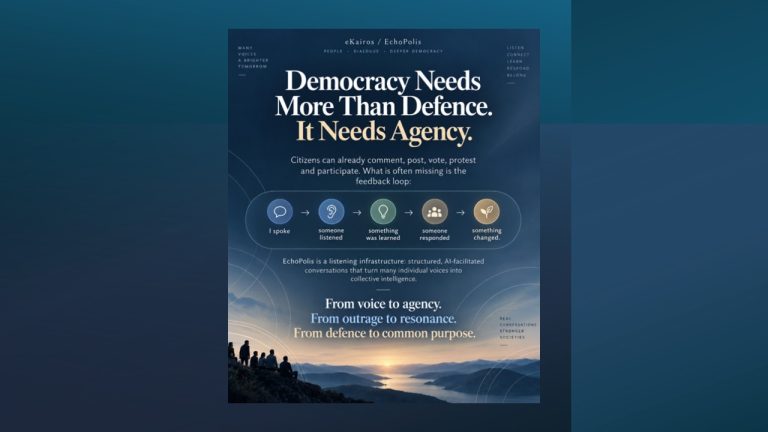
𝗘𝘂𝗿𝗼𝗽𝗲’𝘀 𝗱𝗶𝗴𝗶𝘁𝗮𝗹 𝘀𝗼𝘃𝗲𝗿𝗲𝗶𝗴𝗻𝘁𝘆 is not a luxury – it is a 𝗽𝗿𝗲𝗰𝗼𝗻𝗱𝗶𝘁𝗶𝗼𝗻 for political, social and economic independence. With #EchoPolis, we aim to contribute by creating a European lab for #deliberative #democracy, connecting citizens, entrepreneurs, academia, public administration and policymakers.
At the same time, we need a 𝗯𝗿𝗼𝗮𝗱 𝗱𝗶𝗴𝗶𝘁𝗮𝗹 𝘀𝘁𝗿𝗮𝘁𝗲𝗴𝘆: investment in a trusted 𝗘𝘂𝗿𝗼𝗽𝗲𝗮𝗻 𝗰𝗹𝗼𝘂𝗱 𝗶𝗻𝗳𝗿𝗮𝘀𝘁𝗿𝘂𝗰𝘁𝘂𝗿𝗲, progress on 𝘀𝗲𝗺𝗶𝗰𝗼𝗻𝗱𝘂𝗰𝘁𝗼𝗿 𝘀𝗼𝘃𝗲𝗿𝗲𝗶𝗴𝗻𝘁𝘆, the development of strong 𝗔𝗜 𝗲𝗰𝗼𝘀𝘆𝘀𝘁𝗲𝗺𝘀, and the European Data Strategy through 𝘀𝗲𝗰𝘁𝗼𝗿-𝘀𝗽𝗲𝗰𝗶𝗳𝗶𝗰 𝗱𝗮𝘁𝗮 𝘀𝗽𝗮𝗰𝗲𝘀. The 𝗔𝗜 𝗔𝗰𝘁 𝗺𝘂𝘀𝘁 𝗯𝗲 𝗶𝗺𝗽𝗹𝗲𝗺𝗲𝗻𝘁𝗲𝗱 𝘀𝘄𝗶𝗳𝘁𝗹𝘆 𝗮𝗻𝗱 𝘂𝗻𝗶𝗳𝗼𝗿𝗺𝗹𝘆 𝘁𝗼 𝗰𝗼𝗻𝘁𝗿𝗼𝗹 𝗵𝗶𝗴𝗵-𝗿𝗶𝘀𝗸 𝗔𝗜 (e.g. in critical infrastructures) while enabling innovation.
We also need to expand 𝗘𝗡𝗜𝗦𝗔, support European providers of quantum-resistant encryption, foster 𝗘𝗨 𝗖𝘆𝗯𝗲𝗿 𝗗𝗲𝗳𝗲𝗻𝗰𝗲 𝗣𝗼𝗹𝗶𝗰𝘆 and Zero-Trust architectures, and 𝗶𝗻𝘃𝗲𝘀𝘁 boldly 𝗶𝗻 𝗾𝘂𝗮𝗻𝘁𝘂𝗺 𝗰𝗼𝗺𝗽𝘂𝘁𝗶𝗻𝗴 and post-quantum cryptography. A sustainable digital transition further requires energy efficiency and – actively shaping debates in 𝗘𝘂𝗿𝗼𝗽𝗲𝗮𝗻 𝗹𝗲𝗮𝗱𝗲𝗿𝘀𝗵𝗶𝗽 𝗶𝗻 𝗱𝗶𝗴𝗶𝘁𝗮𝗹 𝘀𝘁𝗮𝗻𝗱𝗮𝗿𝗱𝘀 like ITU, IEEE and W3C on 6G, AI ethics and Green IT. Last but not least: Europe must invest in 𝘁𝗲𝗰𝗵 𝘁𝗮𝗹𝗲𝗻𝘁 – for instance, with EU-wide Digital Academies in partnership with companies like #SAP, #MistralAI, #DassaultSystems, #CapGemini, #Atos, #SchwarzDigits, #SopraSteria or #Siemens ++ and by facilitating skilled immigration from third countries.
The upcoming 𝗙𝗿𝗮𝗻𝗰𝗼-𝗚𝗲𝗿𝗺𝗮𝗻 𝘀𝘂𝗺𝗺𝗶𝘁 𝗼𝗻 𝗱𝗶𝗴𝗶𝘁𝗮𝗹 𝘀𝗼𝘃𝗲𝗿𝗲𝗶𝗴𝗻𝘁𝘆 𝗶𝗻 𝗕𝗲𝗿𝗹𝗶𝗻 (𝟭𝟴.𝟭𝟭.𝟮𝟱) is a great opportunity to advance these pathways. I am hopeful that together we can turn Europe’s ideals into 𝗱𝗲𝘀𝗶𝗿𝗮𝗯𝗹𝗲 𝗱𝗶𝗴𝗶𝘁𝗮𝗹 𝗳𝘂𝘁𝘂𝗿𝗲𝘀 . 🇪🇺🤝
#DigitalSovereignty #AI #EuropeanUnion #Innovation #Cybersecurity #QuantumComputing #DataStrategy #TechTalent #Echopolis #GreenIT #AIAct #DigitalEurope #eKairos #magiclemp #europe #eu #desirablefutures
9. September 2025
AI Consciousness Attribution
And this is already affecting the world, regardless of whether or not AI ever actually is.
What are the factors that lead people to believe that AI might be conscious?